Is the Jungfrau Travel Pass worth buying in 2026?
The Jungfrau Travel Pass is the region's own unlimited pass, three to eight days on the railways and cable cars of the Jungfrau region. The Jungfraujoch is not included. The final climb to the summit sits outside the pass and has to be arranged separately, and that summit leg is not sold through our booking partner, so this page quotes no figure for it.
The pass is built for people who want several mountain days in one valley: Harder Kulm above Interlaken, Maennlichen on the ridge between the two valleys, the trains and gondolas that link the villages, day after day, without buying a ticket each morning. If your trip is really one trip, the ride to the Jungfraujoch and home again, the pass is the wrong tool, and the plain round-trip tickets further down this page are the right one.
Why we quote no price for this pass
We list only what our booking partner actually sells, at the prices it actually returns, and our partner no longer offers the Jungfrau Travel Pass. The pass is sold by the Jungfrau Railways themselves. Rather than copy a figure from their price list and let it go stale, we leave the number out. The operator shows the current price for your dates before you pay. The same rule is why every Jungfraujoch fare on this site traces back to a live listing rather than to a brochure.
That honesty cuts both ways: because we do not show a price for the pass, we cannot run the usual table of break-even sums. What we can do is describe exactly what the pass covers and what it does not, so that when you see the current price in the railway's shop you can make the comparison yourself in about a minute.
What the pass covers, and the one thing it does not
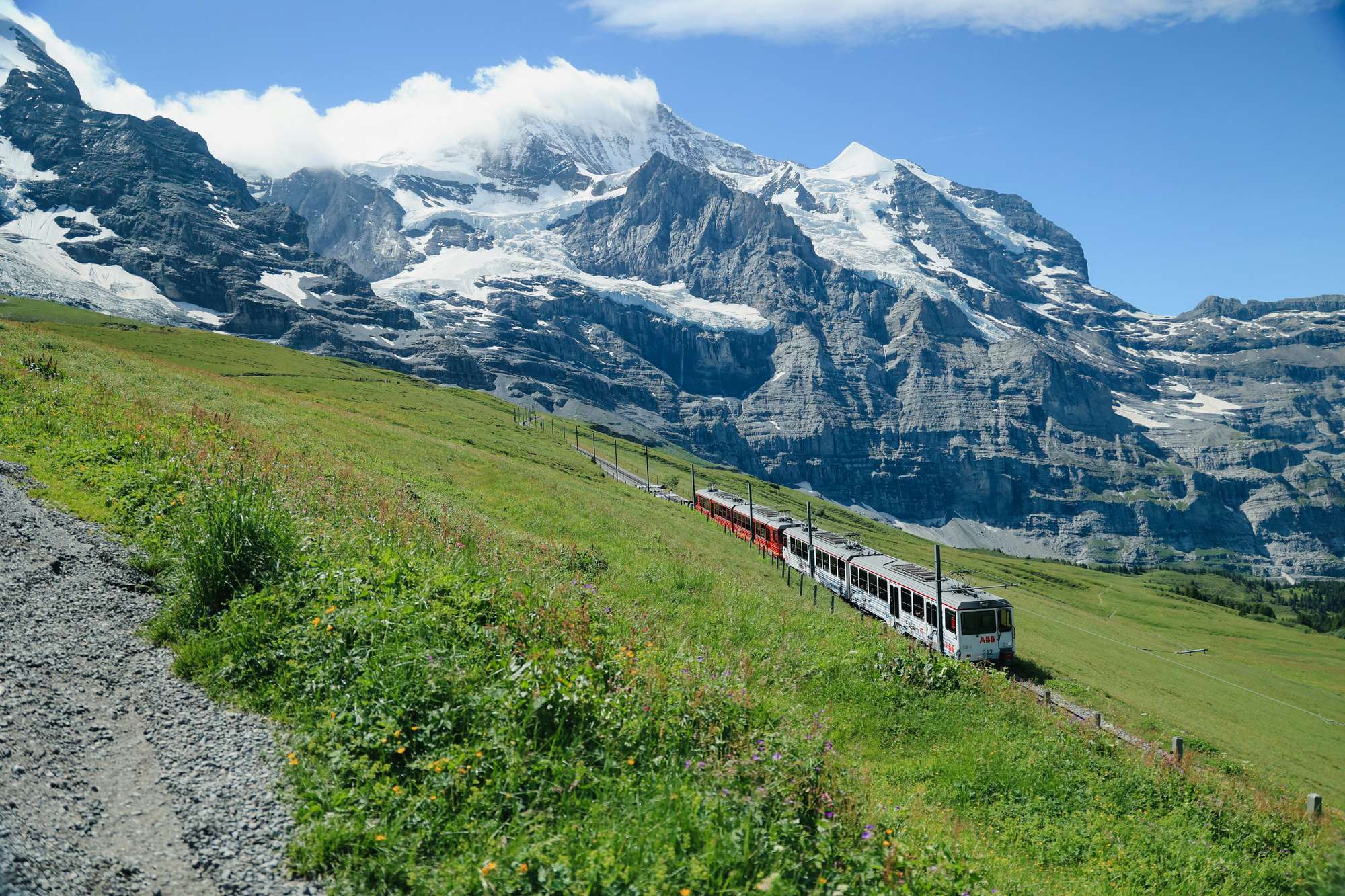
The Jungfrau Travel Pass covers unlimited travel on the region's own network for the days you have bought, second class, including the valley railways between Interlaken, Lauterbrunnen, Wengen and Grindelwald and the lifts above them. From our verified sources:
- Harder Kulm, above Interlaken. Included at no extra charge. The funicular runs 3 April to 29 November 2026, and the Two Lakes Bridge at the top is the region's easiest big view.
- Maennlichen. Included at no extra charge. The season runs 23 May to 25 October 2026, and the ridge walk towards Kleine Scheidegg is the classic easy hike between the two valleys.
- Schilthorn and Piz Gloria. Not free: pass holders get 20 percent off the cable car. Our Schilthorn page covers the full-price tickets, which start at CHF 115 return.
- Grindelwald First. We have no verified Jungfrau Travel Pass discount for this one. Return tickets start at CHF 72; see the Grindelwald First page before you assume it is covered.
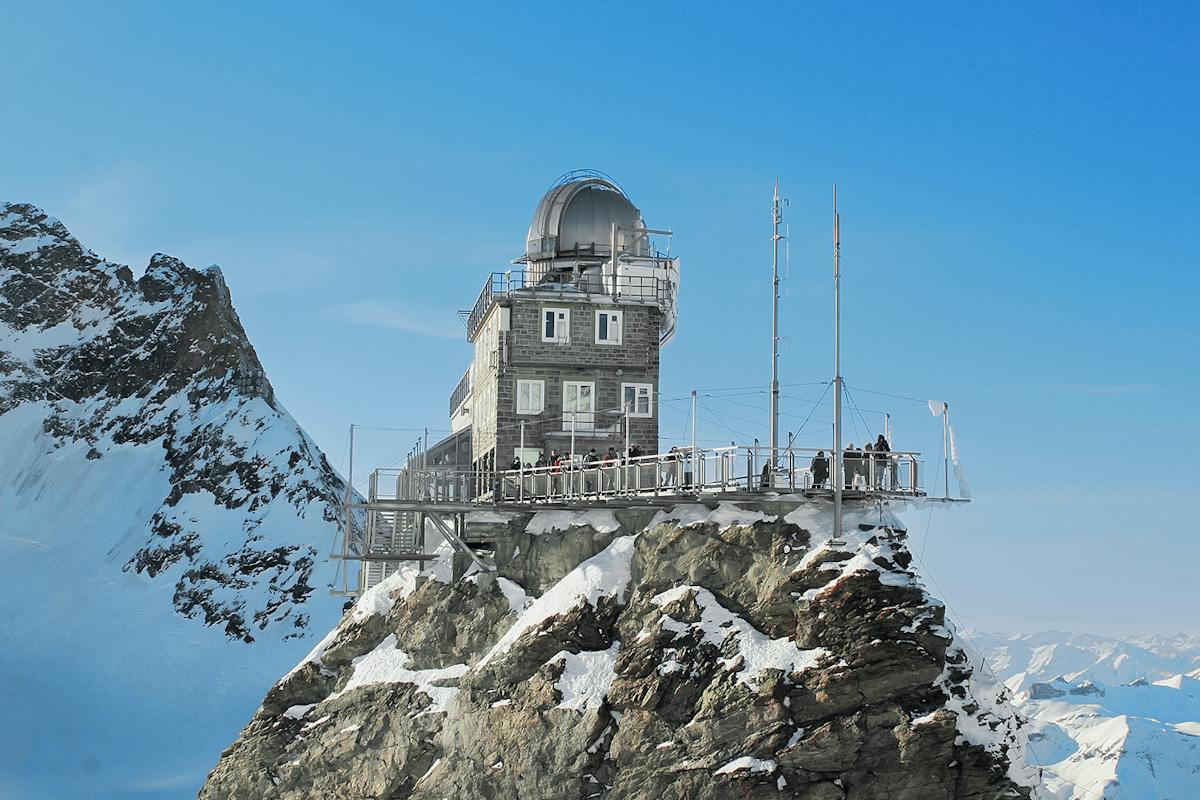
- Jungfraujoch. Not included. The leg from the top of the pass network to the summit is a separate arrangement, made outside our booking partner, and we quote no price for it here.
The pass also carries 10 percent off in the Top of Europe shops, which is a nice-to-have rather than a reason to buy. It is second class only, so there is no first-class upgrade path on the trains it covers. On these mountain railways that matters less than it sounds: the view is the same out of both sides of the carriage.
The Jungfraujoch question, answered honestly
Most people researching the Jungfrau Travel Pass are really asking one question: is this the cheap way to the Jungfraujoch? The honest answer, on the products we can verify, is no. The pass does not include the summit; the missing leg has to be sorted separately with the operator's own sales channels, and a visitor whose trip is built around the summit ends up managing two purchases in two places for one day out.
The simple alternative is a complete Jungfraujoch round trip, priced end to end and bookable in one checkout. From Grindelwald Terminal that is from CHF 211; from Interlaken Ost from CHF 234; from Lauterbrunnen from CHF 223. Every one of those tickets includes a reserved seat on a return departure about 3 hours after arrival, the outbound time slot is chosen at booking, and cancellation is free up to 24 hours before travel. Children ride for CHF 30 flat. Our Jungfraujoch ticket prices table sets out the whole matrix.
Where the regional pass genuinely earns its keep is the trip in which the Jungfraujoch is one day out of four or five, and the other days are spent riding the valley network, walking the ridge at Maennlichen and finishing evenings at Harder Kulm. On that trip the pass replaces a stack of single tickets, and the summit day is handled on its own terms whichever way you arrange it.
Operating seasons and closures to plan around
A pass day spent on a closed section is a wasted pass day, so check the calendar before you choose your dates. Harder Kulm runs 3 April to 29 November 2026 and Maennlichen 23 May to 25 October 2026, and both close for the winter outside those windows. On the railway side, the Grindelwald to Kleine Scheidegg line shuts 27 April to 8 May and again 26 October to 6 November 2026, the Eiger Express is out of service 9 to 20 November, and Wengen to Kleine Scheidegg closes 9 November to 4 December. The Jungfraujoch itself stays reachable through each window by whichever line is open, but November is the month in which a multi-day mountain pass has the least to ride.
The other seasonal fact worth planning around is the light. In high summer the first departures of the day are the quiet ones on every line the pass covers, and the same early habit that serves Jungfraujoch visitors serves pass holders: up the first lift, back before the platforms fill.
Jungfrau Travel Pass or Swiss Travel Pass
The national alternative is the one comparison we can price fully, because both of its products are in our catalogue. A Swiss Travel Pass starts at CHF 254 for three consecutive days, covers your trains across the whole country, and unlocks the holder fare on the Jungfraujoch ticket itself: from CHF 157 instead of from CHF 234 from Interlaken Ost, chosen as the ticket type at checkout. A Swiss Half Fare Card at CHF 150 for a month goes one better for the mountain alone, with a holder fare of from CHF 122 from Interlaken Ost.
The rule of thumb that falls out of this is geographic. Touring Switzerland with one summit day in the middle calls for a national pass or Half Fare Card, plus the Jungfraujoch ticket at the holder fare, everything priced and booked in one place. Staying inside the Jungfrau region for the best part of a week, riding something every day, is the trip the regional pass was designed for, and the operator's current price for your dates tells you whether the design works. The two products can also be held together, since a national pass or Half Fare Card entitles you to a reduced rate on the regional pass at the operator's own counters.
How to decide in five steps
- Count mountain days, not calendar days. The pass is priced in days used. One mountain day means no pass of any kind. Several days riding lifts in this one valley is the case the Jungfrau Travel Pass exists for.
- Put the Jungfraujoch to one side. The summit is not included in the pass, and its leg is arranged separately. Price your summit day as its own complete round trip and let the pass carry the other days.
- Check what your other days actually cost. Harder Kulm and Maennlichen come free with the pass; Schilthorn is 20 percent off; Grindelwald First is unverified. Add up the single tickets you would otherwise buy and compare that sum with the current price of the pass.
- Check the closure dates for your week. Late April, late October and all of November have line or lift closures in 2026, and the two free mountains both sleep through the winter.
- Book the summit day early, keep the cancellation as your backup. Whatever you do about the pass, the Jungfraujoch ticket cancels free up to 24 hours before travel, so an early booking carries little risk if the forecast turns.
However you combine pass and tickets, the Eismeer stop at 3,160 metres, the five-minute pause at the gallery window on the Kleine Scheidegg side, is never guaranteed on any ticket or pass. Treat it as a bonus when it happens, and plan the parts of the day you can actually control.
 Best value